Millions of people around the globe regularly purchase lottery tickets in hopes of transforming a small investment into life-changing wealth. However, the true mathematical probability of securing a jackpot is often much lower than most players realize. Understanding how these calculations operate can help participants maintain realistic expectations and view the activity purely as a form of casual entertainment.
Understanding Mathematical Combinations and Probability
The likelihood of winning a major lottery jackpot depends entirely on the mathematical rule of combinations. When a game requires selecting a specific set of numbers from a larger pool, every single possible set carries an identical chance of being drawn. Because the number of possible combinations quickly climbs into the hundreds of millions, individual odds remain extraordinarily slim regardless of the numbers chosen.
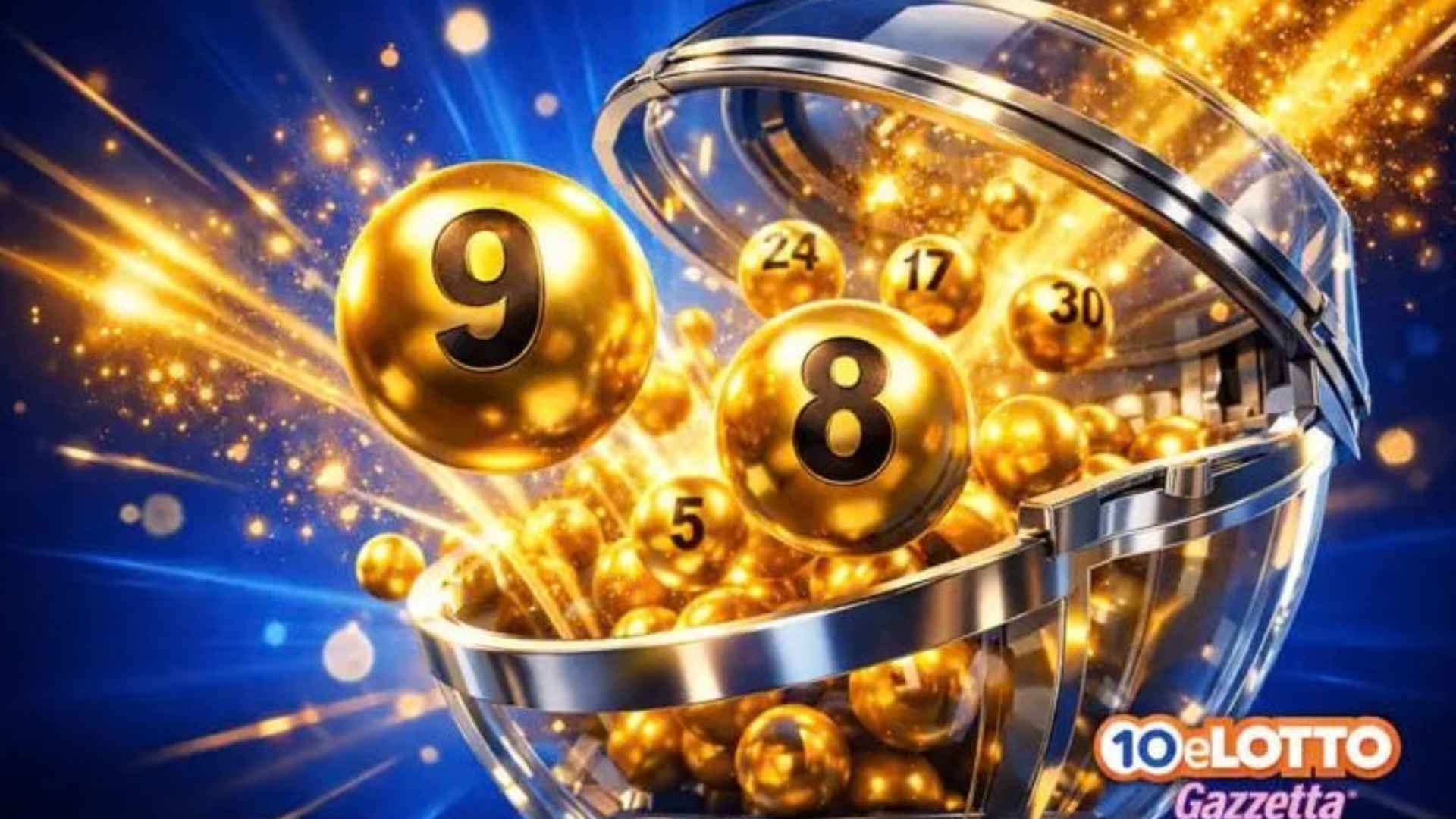
For instance, popular multi-jurisdictional lotteries often require matching six numbers from two separate pools. This creates a vast matrix of outcomes where the probability of hitting every single digit drops to around 1 in 300 million. Understanding these mathematical principles helps buyers recognize that no specific sequence or statistical pattern can reliably influence the random drawing process.
The Mathematical Difference Between Small Prizes and Jackpots
While the top prize remains elusive, most national lotteries offer tiered payout structures with much better odds for smaller matches. Players frequently win minor amounts for matching just a few numbers, which keeps interest high and provides occasional returns. Evaluating these lower tiers reveals how operators balance massive top-line numbers with frequent lower-level payouts to sustain engagement.
When comparing different gaming choices, enthusiasts often examine probability models across various platforms to understand return rates. Exploring options like m88 illustrates how structured odds function across different formats in the broader gaming industry. Recognizing how prize distribution works allows players to make informed choices about where and how they allocate their budget.
Common Misconceptions About Lottery Strategies
A widespread belief among frequent buyers is that certain numbers are due to appear because they have not been drawn recently. In reality, each lottery drawing is an independent random event that shares zero connection with previous outcomes. Every number combination possesses the exact same statistical likelihood of appearing in tonight's drawing as it did in the last one.
Another common mistake is purchasing large quantities of tickets with the expectation of significantly altering the overall odds. Buying ten tickets instead of one technically increases your chance ten-fold, yet moving from 1 in 300 million to 10 in 300 million remains functionally negligible. Strategic ticket buying does not meaningfully bend the mathematical reality of massive random pools in your favor.
Managing Expectations and Responsible Participation
Participating in the lottery should always be approached with a clear understanding of the severe odds involved. Treating ticket purchases as entertainment expenses rather than reliable financial investments prevents emotional disappointment and financial strain. Setting strict boundaries ensures that participating in draws remains a harmless leisure activity.
Ultimately, while winning a life-changing sum remains a thrilling concept, the probability remains overwhelmingly against any single participant. Embracing the mathematical reality enables individuals to enjoy the excitement of the draw responsibly without overextending their personal resources. A balanced perspective is the most effective tool for managing any gaming activity long term.