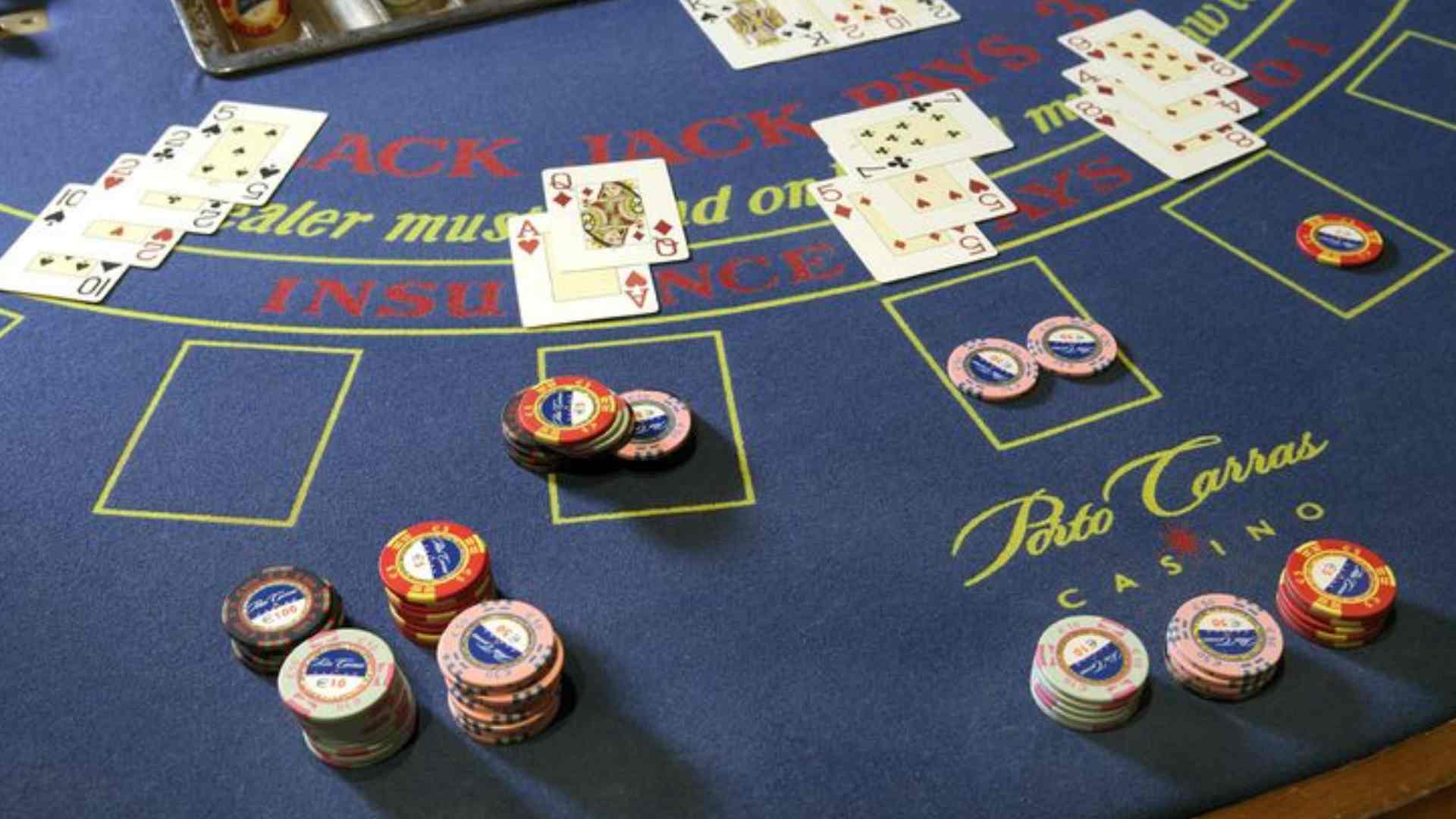
Navigating the complex scenarios of a competitive card session often forces individuals to confront incredibly challenging decisions. While winning straightforward pots builds initial confidence, it is the marginal and stressful situations that offer true opportunities for strategic development. Embracing these high-pressure moments allows players to uncover subtle strategic errors and significantly improve their overall performance.
The Psychology of Marginal Decisions
Facing a complicated layout on the river requires a deep commitment to objective observation rather than relying on emotional reactions. Many enthusiasts struggle during these intense moments because the fear of losing chips clouds their tactical judgment completely. Developing the capability to remain calm under extreme pressure ensures you can evaluate the actual mathematical frequencies accurately.
When you dissect a stressful hand after the session concludes, you often notice behavioral patterns that were invisible during live gameplay. Recognizing these mental vulnerabilities helps you build a more resilient mindset for future table confrontations. Shifting your focus from short-term financial outcomes to long-term cognitive growth is the defining characteristic of a skilled competitor.
Analyzing Positional Vulnerability
Difficult situations frequently arise when you are forced to act out of position against highly aggressive opponents. Without the informational cushion of watching your rivals move first, every check or bet carries immense strategic weight. Studying these specific scenarios highlights the absolute necessity of maintaining strict pre-flop discipline to avoid complex post-flop traps.
For those interested in exploring modern setups to practice managing complex table dynamics safely, evaluating options like M88 toto can provide valuable insights. Learning how to check-call effectively or execute a controlled fold prevents unnecessary bankroll depletion. Mastering the art of defensive play from early positions is just as critical as maximizing value when you hold the absolute nuts.
The Balance of Value and Deception
A major lesson derived from challenging hands involves understanding the delicate boundary between projecting strength and protecting your actual equity. Observant rivals actively analyze your betting speed and sizing to determine the exact range of cards you are representing. If your historical narrative lacks logical consistency across multiple streets, your strategic moves will quickly be countered.
Refining this balance requires mixing strong value bets with calculated, semi-bluff adjustments based on changing board structures. Evaluating how card distributions affect your perceived range ensures you remain highly unpredictable to the rest of the table. A truly balanced approach eliminates predictable patterns and forces your opponents into making costly errors.
Reviewing Historical Hand Data
True tactical growth cannot occur without a consistent commitment to reviewing your previous sessions with an analytical mindset. Grouping complex scenarios into specific categories allows you to identify repetitive strategic leaks over extended periods. Utilizing modern software tools helps eliminate subjective bias and grounds your future adjustments in mathematical reality.
Discussing these complicated scenarios with experienced peers offers fresh perspectives that you might have overlooked during your initial analysis. Embracing constructive criticism regarding your betting lines fosters a deeper comprehension of advanced game theory concepts. Transforming a frustrating loss into a structured learning experience is the ultimate key to continuous improvement.