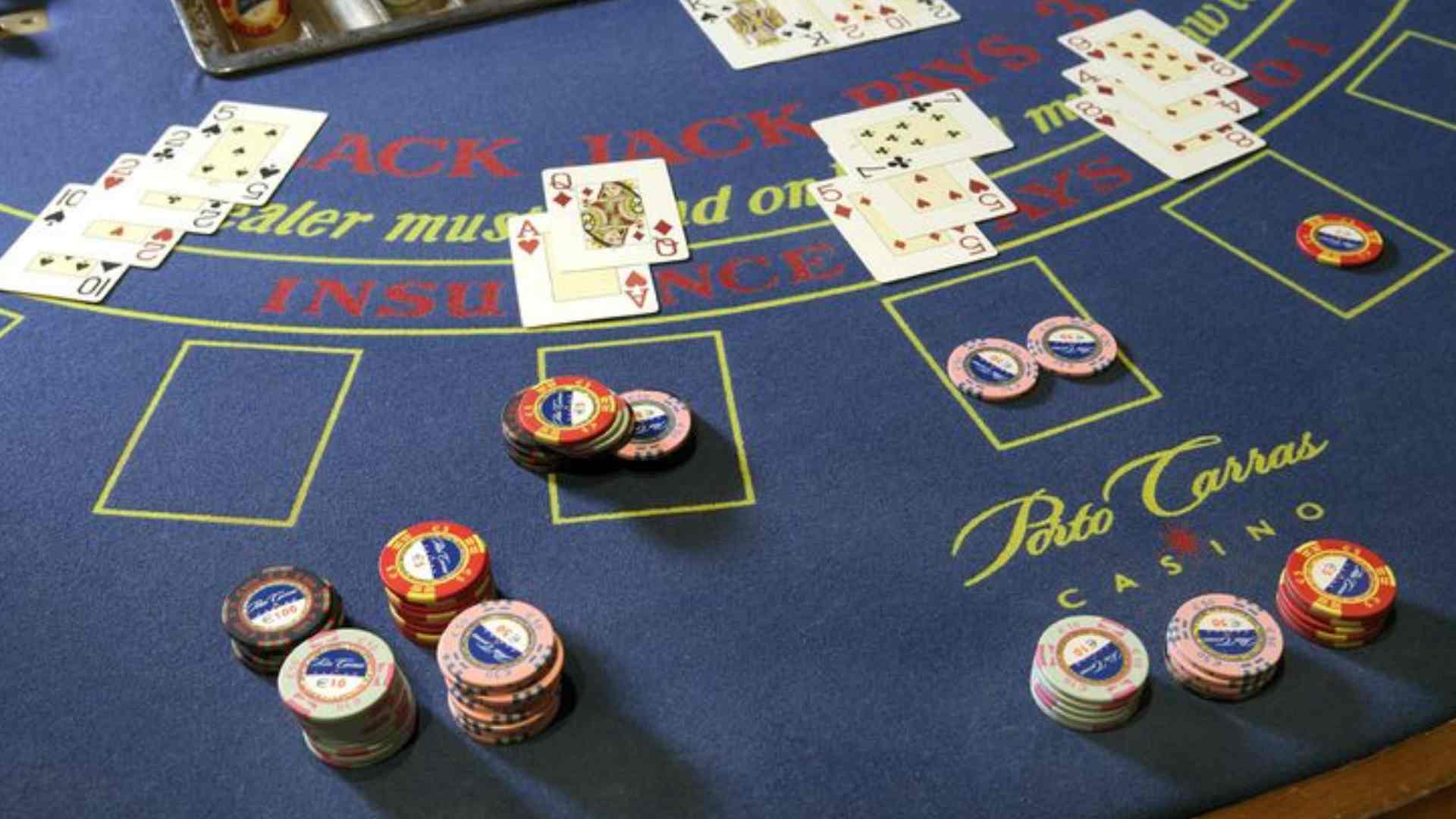
The atmosphere of historical gaming houses was defined by a sophisticated code of conduct that elevated simple card deals into structured social ceremonies. Long before automated machinery and digital interfaces accelerated the pace of play, participants adhered to strict procedural etiquette that governed everything from physical posture to verbal announcements. Uncovering these traditional elements explains why early table interactions felt more like high-society events than casual modern pastimes.
The Etiquette of Manual Interaction
In classical European salons, the way a participant handled their physical components signaled their social standing and respect for the table. Shuffling, dealing, and placing wagers were performed with deliberate grace to ensure complete transparency and maintain the room's elegant rhythm. Sudden movements or loud declarations were viewed as major breaches of protocol that disrupted the shared concentration of the group.
Furthermore, specialized club representatives and senior participants shared operational duties to protect the integrity of each round. This mutual oversight created an environment built on silent trust and acute environmental observation. Players had to develop strong non-verbal communication skills to interpret subtle shifts in table dynamics without uttering a word.
Spatial Dynamics and Seating Protocols
The physical arrangement of an early card room was never randomized or chosen purely for comfort. Seating positions relative to the supervisor or banker carried deep strategic importance, altering a player's view of the table and the timing of their choices. Formal customs dictated how individuals assumed these positions, mirroring the rigid hierarchies found in historical society.
Every seat offered a unique vantage point and an individual level of psychological exposure during high-stakes matches. Enthusiasts seeking to explore modern digital representations of these traditional multi-player layouts can easily visit a link m88 to find tables that honor historical rules. Observing these spatial boundaries reminds contemporary players that early gaming depended heavily on physical proximity and group interaction.
The Shared Burden of Financial Exposure
Unlike modern corporate venues where the establishment backs every single wager, older formats favored a decentralized banking framework. The privilege of holding the bank roll rotated among the participants, turning a passive wagering choice into an active financial responsibility. This structure shifted the cognitive demands of the game, forcing the temporary banker to manage collective table risks.
This arrangement ensured that every participant remained deeply invested in the behavioral patterns of their peers. Decisions were made after careful calculation of remaining funds rather than relying on automated software computations. This deep level of personal accountability is one of the most significant differences between historical custom and fast-paced modern gaming varieties.
Preserving Classical Customs in a Digital Era
While contemporary platforms prioritize transactional speed and convenience, studying historic card traditions offers invaluable perspective on modern design trends. The underlying mathematical structures and probability distributions remain identical to the frameworks used centuries ago. However, the loss of unwritten behavioral codes changes the overarching psychological experience for current tabletop enthusiasts.
Recognizing the historical progression from human-managed banks to automated systems encourages a deeper appreciation for casino history. Bringing elements of careful observation and silent respect back to the table enhances the tactical depth of any strategy game. Ultimately, remembering these forgotten rituals helps preserve the elegant cultural legacy that birthed modern international gaming platforms.