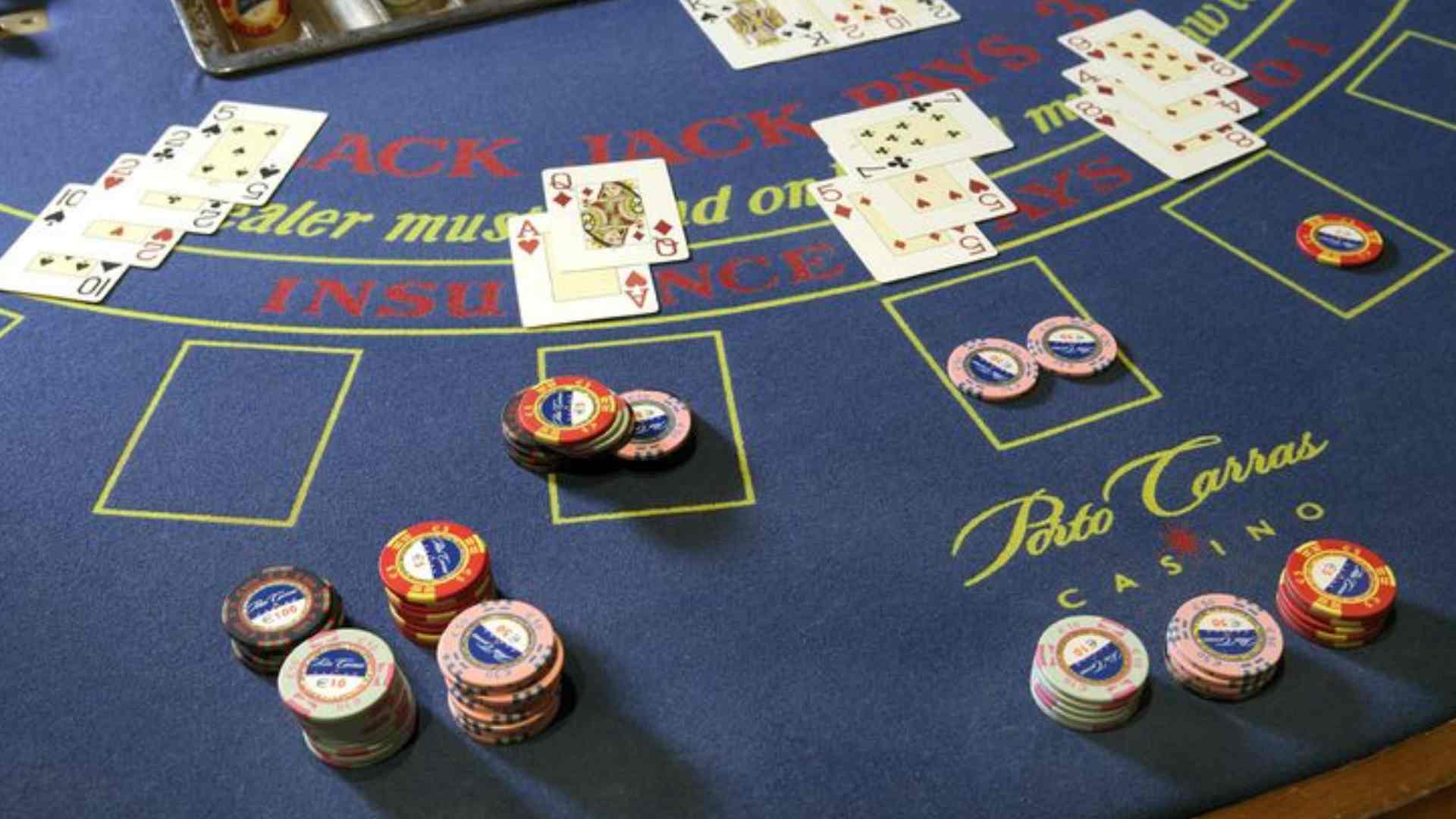
Succeeding in the traditional card game of contract bridge depends heavily on the seamless execution of a joint strategy between two partners. While individual technical skill is valuable, a pair that cannot synchronize their analytical choices will struggle to achieve consistent victory. By establishing mutual trust and clear communication, players can turn average card distributions into extraordinary tournament wins.
The Core Dialogue of the Auction
The foundation of any successful bridge alliance is built during the initial bidding phase, which functions as a heavily coded conversation. Partners must accurately exchange information regarding their hand strength and suit distribution without violating strict table rules. This structured exchange allows the pair to systematically explore various contract possibilities and avoid costly penalties.
Misunderstanding a partner's signal during the auction can instantly derail an otherwise excellent hand. Experienced enthusiasts often practice these collaborative frameworks to ensure both minds stay on the same page. Dedicated players frequently visit platforms like M88 toto to enjoy a wide variety of card games that test logical reasoning and partnership alignment.
Synchronizing Defensive Signals
True partnership mastery becomes visible when a pair is forced to defend a tough contract against an aggressive declarer. Defenders cannot see each other's cards, making visual tracking and defensive signaling absolutely critical for victory. By choosing specific opening leads and discarding patterns, players pass vital clues across the table to coordinate their defense.
Utilizing second-hand low and third-hand high conventions allows the defensive side to maximize their trick-taking potential. Defensive synchronization requires constant observation of every single card played by both opponents and teammates. Failing to watch these subtle indicators often gives the declarer an immediate path to fulfilling their contract.
Managing Entries and Dummy Control
During the declarer play phase, maintaining fluid communication between the declarer's hand and the dummy is essential. A smart partnership executes precise entry management to ensure that winning cards can be reached at the exact right moment. Rushing to draw trumps without a calculated roadmap frequently leaves high cards stranded in the dummy.
Advanced players map out a complete tactical plan immediately after the opening lead hits the table. This comprehensive forecast involves balancing risks and anticipating potential suit distributions in the unseen hands. Patient execution ensures that both sides of the partnership assets work in absolute harmony to secure the target tricks.
Cultivating Collaborative Resilience
Long-term success at the card table requires emotional stability and mutual support between teammates after a difficult round. Complaining about poor distributions or criticizing a partner's mistake only harms the team's focus for upcoming deals. The strongest pairs view every hand as a shared learning experience rather than an individual challenge.
Building an intuitive connection takes time, consistent practice, and a shared dedication to mastering modern convention systems. Over time, this collective harmony transforms isolated card tactics into a powerful, unified competitive strategy. Ultimately, the most rewarding aspect of the game lies in achieving synchronization under intense pressure.